In European healthcare today, one key concept stands out: Evidence-Based Medicine (EBM). It is not a passing trend, but a fundamental pillar of modern regulation, development, and use of medicinal products.
In the field of medical cannabis, EBM represents a significant shift — from discussion and assumptions toward clearly documented clinical data, transparent methodologies, and responsible regulation.
What Is Evidence-Based Medicine?
Evidence-Based Medicine means that treatment decisions are based on the best available scientific evidence — including randomized clinical trials, systematic reviews, and high-quality data from real-world clinical practice.
This approach forms the foundation of regulatory processes across the European Union. European Medicines Agency(EMA) has long based its decision-making on EBM principles. Every medicinal product intended for the European market must be supported by robust, data-driven evidence of safety, efficacy, and quality.
The EMA is also actively expanding the use of Real-World Evidence (RWE) — data derived from routine clinical practice. Through initiatives such as DARWIN EU, clinical trial findings are complemented by real-world healthcare data from across Member States. The goal is to achieve a more comprehensive understanding of the benefits and risks of medicines in everyday patient care.
The European strategy for 2030 further emphasizes a patient-centered, data-driven approach and transparent methodologies in the evaluation of medicinal products.
EBM in the European Context
Evidence-Based Medicine is already a standard component of modern healthcare systems in many European countries.
Germany and the Nordic countries have long applied this approach as a benchmark for evaluating and implementing treatment methods.
European healthcare continues to move in this direction systematically and consistently. Evidence-based medicine is not a future vision — it is a present-day reality shaping decision-making across Europe.
The Czech Republic at a Turning Point
In the Czech Republic, professional discussions are ongoing regarding the future framework for medical cannabis. The topic has been addressed at governmental expert meetings and within broader debates about potential legislative adjustments aimed at improving patient access for therapeutic use.
It is important to emphasize that any potential changes concern regulatory settings and patient access — not a relaxation of quality standards. On the contrary, the European direction clearly indicates that medical cannabis should be evaluated under EBM standards as a fully recognized medicinal product.
Our Approach: EBM from the Beginning
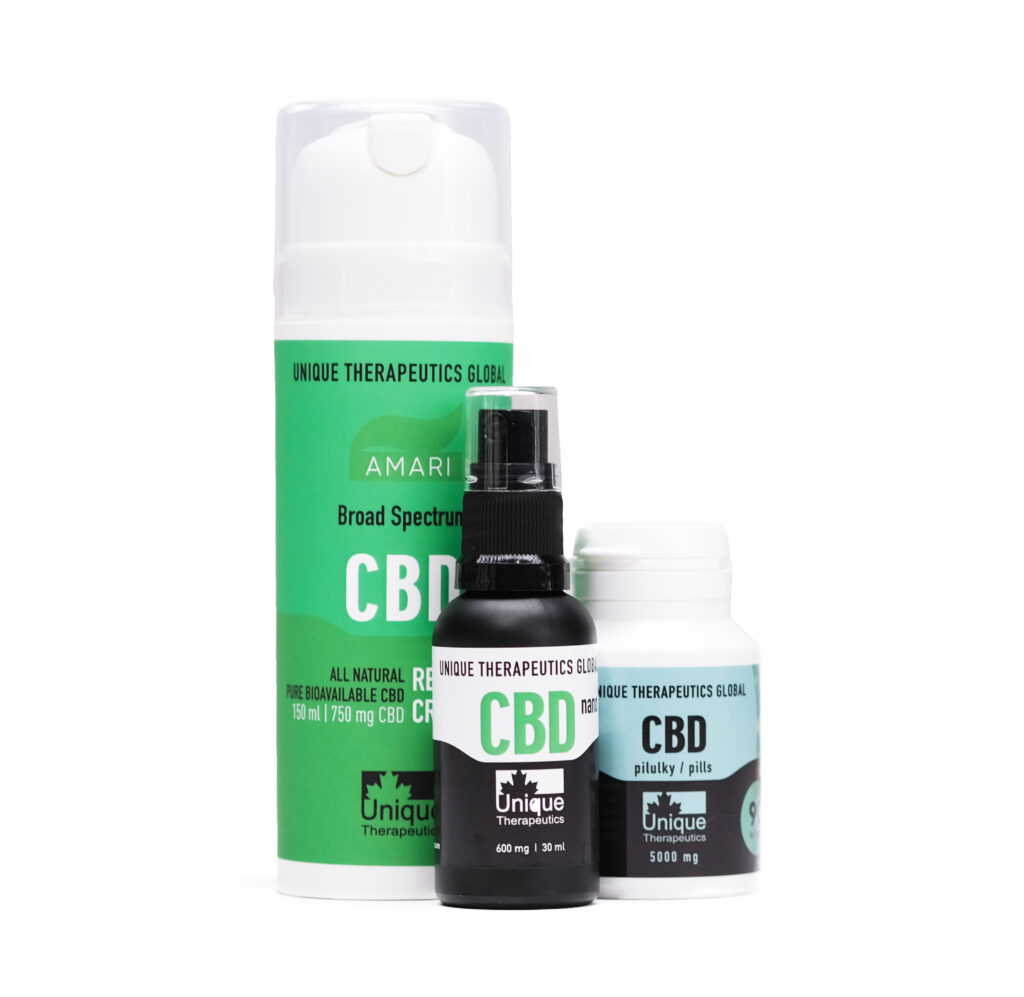
At Unique Therapeutics, we have long considered Evidence-Based Medicine a fundamental principle of our work.
Our products build on traditional therapeutic practices with historical continuity, while being developed and manufactured in accordance with modern scientific standards.
We support systematic monitoring of efficacy and safety, and we respect European regulatory frameworks and EBM methodology.
Within the Czech market, we are among the few companies applying this approach consistently and systematically — similarly to established practices in the Nordic region.
We believe that the future of medical cannabis does not lie in ideology or emotion, but in data, transparency, and scientific responsibility.
Why EBM Builds Trust
For patients, EBM provides confidence that they are using products with documented effects and controlled quality.
For physicians, it offers support in clinical decision-making.
For the scientific community, it creates space for further research, collaboration, and innovation.
The Czech Republic is gradually entering a phase in which medical cannabis will increasingly be assessed in line with European EBM principles. This process is not about political declarations, but about the systematic implementation of European standards into national practice.
And this is the foundation on which we intend to build for the long term.